
INDEX


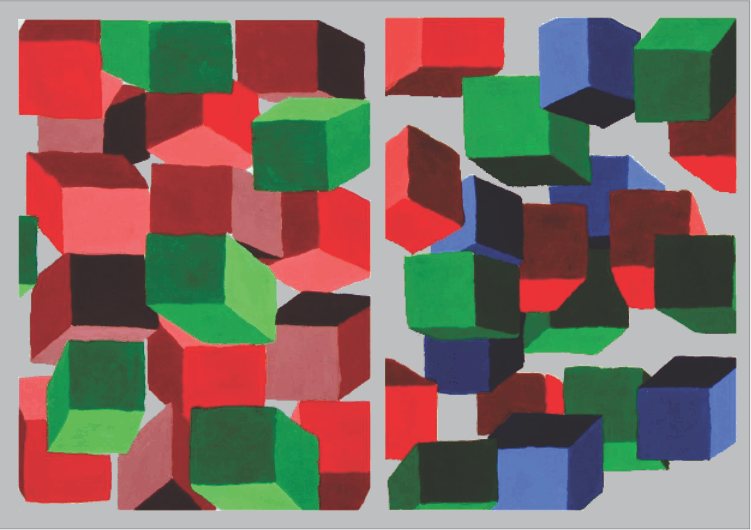
CUBE
Cube the basic geometry is used to depict the meaning behind the composition through color(tints and shades, orientation, repitition and also the quantity. With maximum overlapping ,depth is interpretated.

ANTHROPOMETRY
The dimensions and proportions of the human body affect the proportion of things we handle. Also nit affects the height and distance of the things we try to reach or come in contact with. The dimensions of the furnishings we use for sitting, working, eating, and sleeping. Hence, understanding the geometry of human body parts, models made out of wire has been abstracted.
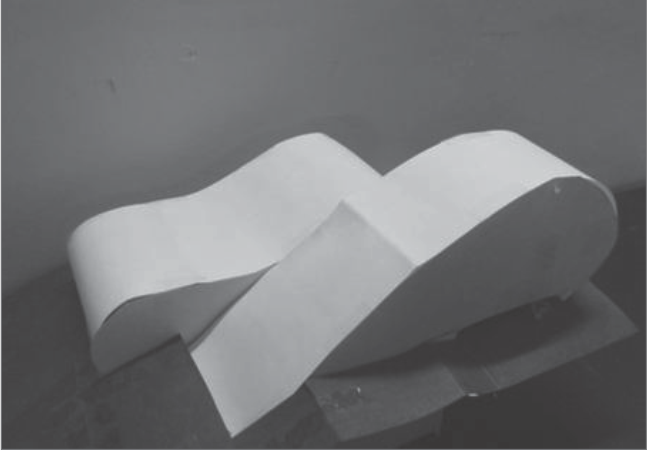
PAPER FOLDING
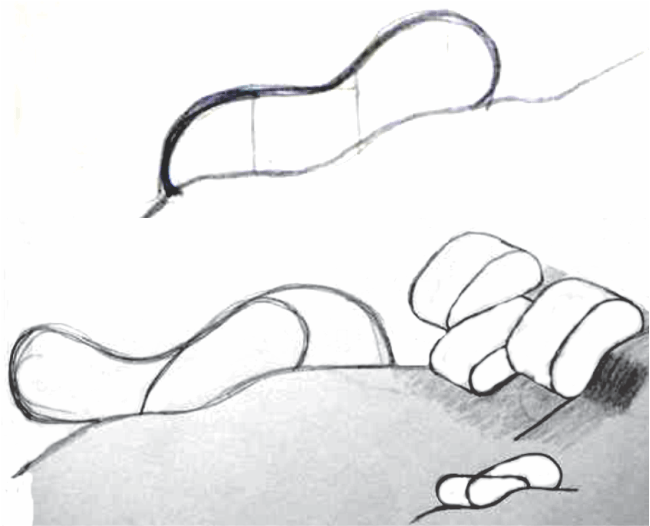
The space has been derived by folding the paper, but refraining from cuts. In relation to the human scale, it potrays the human to be small in the comparison, giving a glimpse of its monumental scale.


REDESIGNING
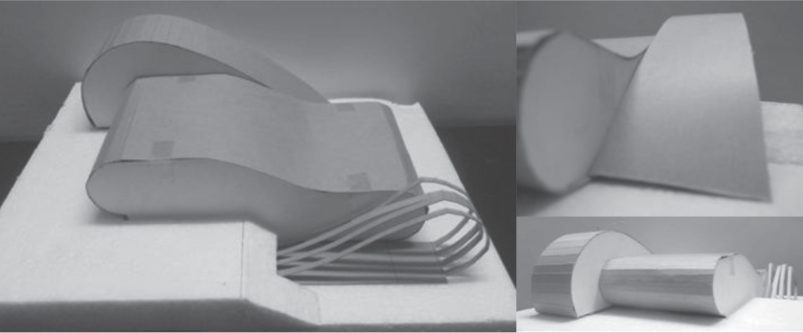
The anthropometric studio which was designed just functionally is here redesigned for exploring its form rather than just functions. Being a contoured site (Njore,Kenya)the initial concept was to retain the contours and design its form responding to contours. The rigid form with strict lines is now intervened into fluid curves.
The principle of repitition is used but in broader perspective.
A prototype is created and repeated in simple linear form. All the modules are not perfectly identical, they share a common trait allowing each element to be individually unique, yet belonging to the same family.
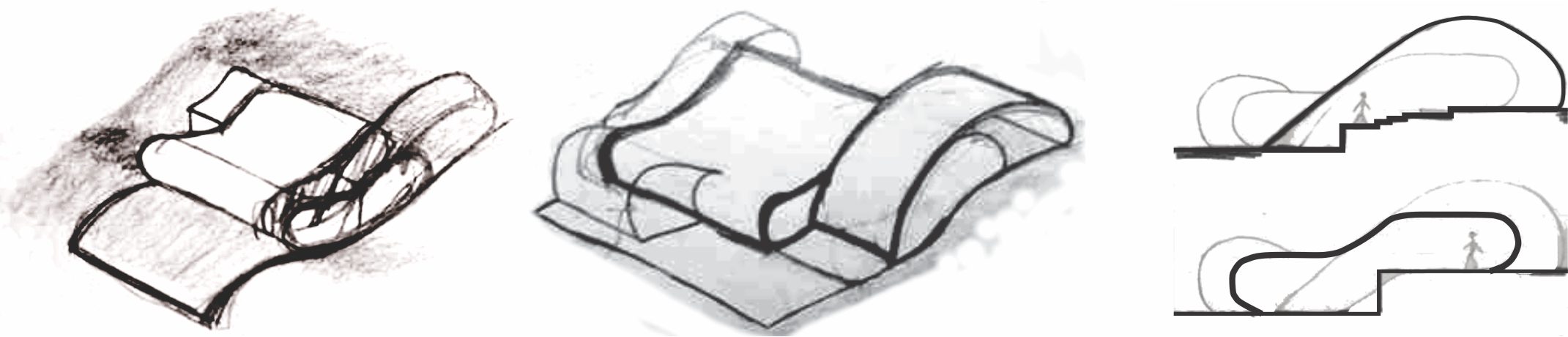

LINES AND DOTS
Composition using lines and dots and its 3d extrusion.
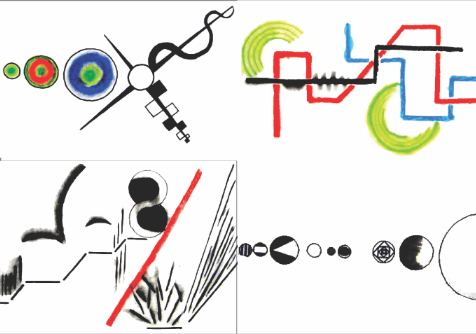
MUSIC
Music is an art form conveyed by sound and silence. The common elements of music are pitch, rhythm, dynamics, etc.
In art, the term painting describes both the action and the result of the action. Here, music and painting are amalgamated. The paintings have been derived as a result of music, guiding one's action.

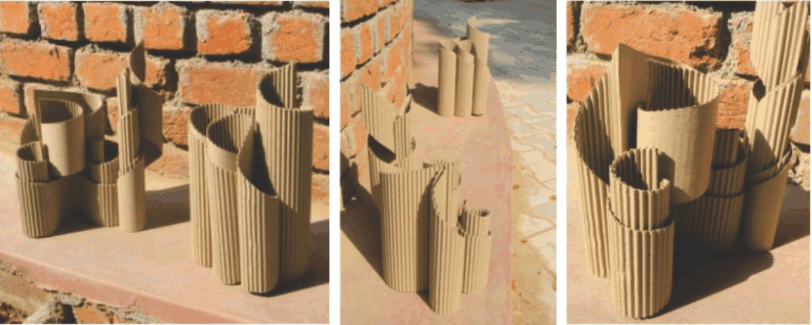
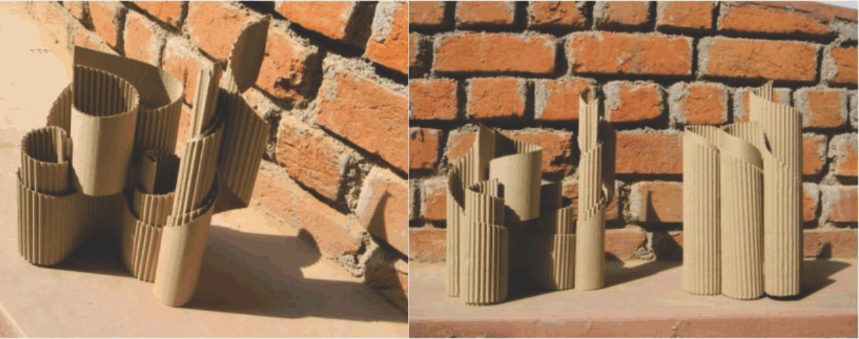
CORRUGATION
The fluidity of the material with certain limitations of its dominant veins of the corrugated sheet has been explored. The flutes of the corrugated sheets increase the bending strength of the sheet in the direction parallel to the corrugations, but not perpendicular to them. Thus the model has been derived linearly parallel to the corrugations. Like cogwheel, even here the surfaces have been interlocked among themselves.

PIXEL
A water color painting is overlayed with lines forming a grid in order to observe the gradation of the hues. The painting is done with poster colours worked over a wet texture sheet. Then further taking a small portion from the painting to be the stencil. Observing the true colors of the stencil, a pixelated painting for the same has been made. This painting was done to inculcate true sensitivity for identifying the proportion of hues for a specific result. The result turns out to be identical.
FRAME
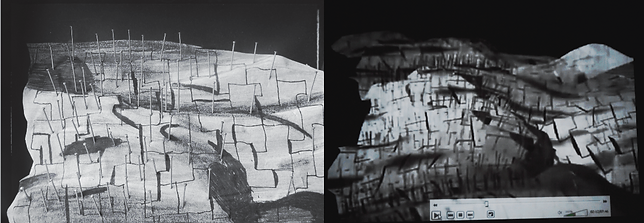
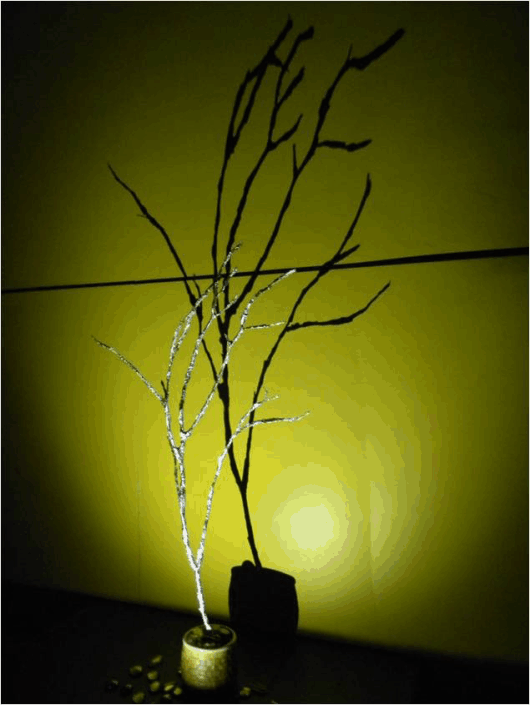
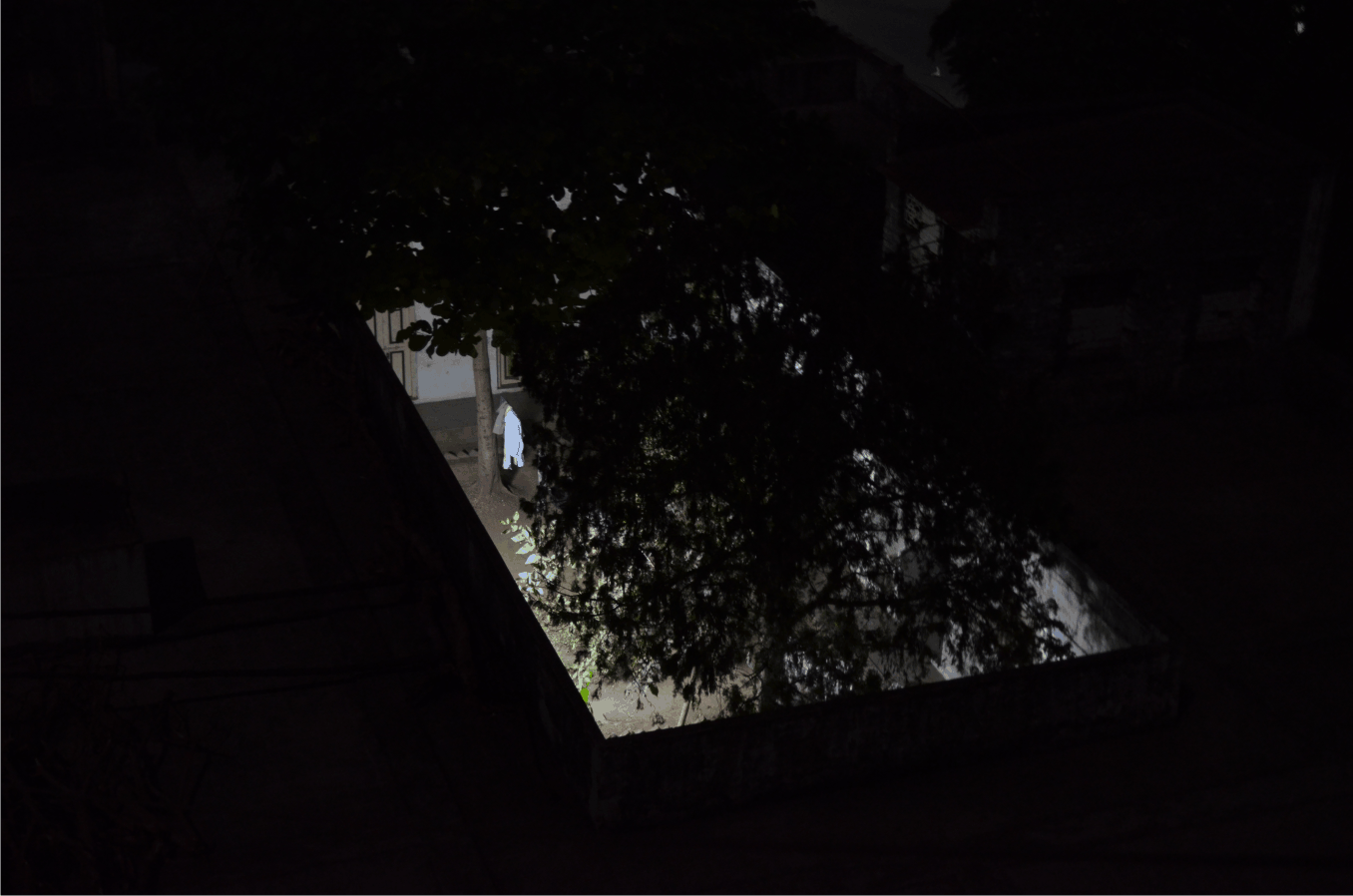
Seeing a video clip and memorizing one of the still frames played in the movie and potraying it using any medium of presentation is the aim. The challenge here is to achievethe same visual frame either in 2D or 3D only through memory. The frame is first expressed in 3d model and then it is photographed for comparison.

MAIZE
The radiation regime of the plant canopies is largely influenced by the geometrical structure, i.e. the angular and spatial distributions of the leaf area. The form of the maize is broken into its basic geometry and explored by making a wire model.

GRAPHIC(grid)
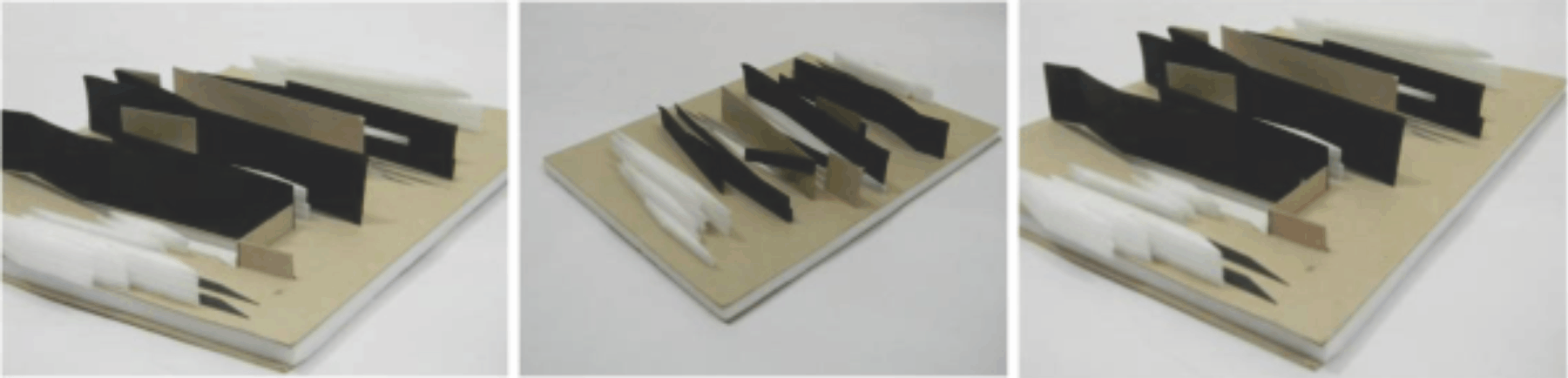
The organizing power of a grid results from the regularity and continuity of its pattern that pervades the elements it organizes. Its pattern establishes a field of reference points and lines in space with which the spaces of a grid organisation, although dissimilar in size, form, or function, can share a common relationship. This 2d graphic is then added volume both positively as well negatively.

GOLDEN SECTION
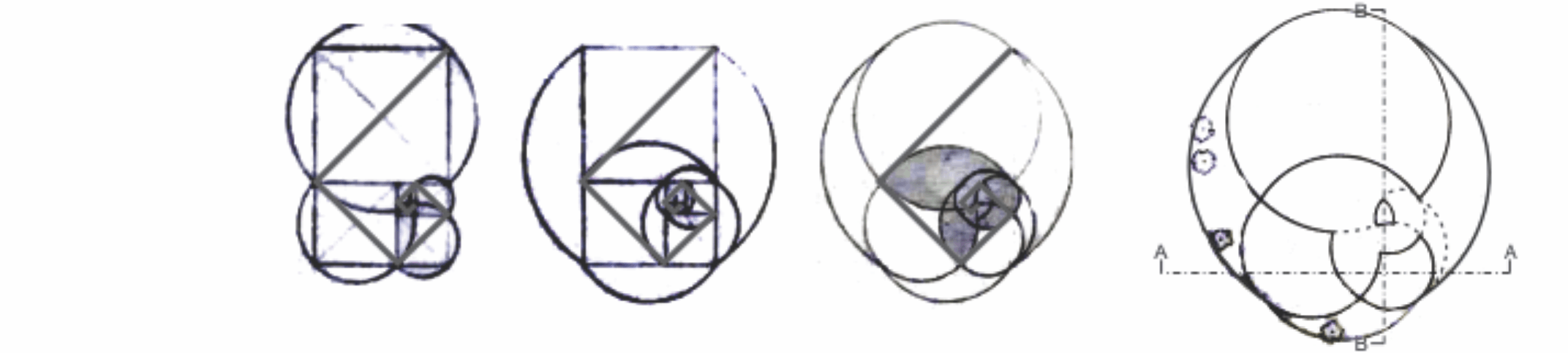
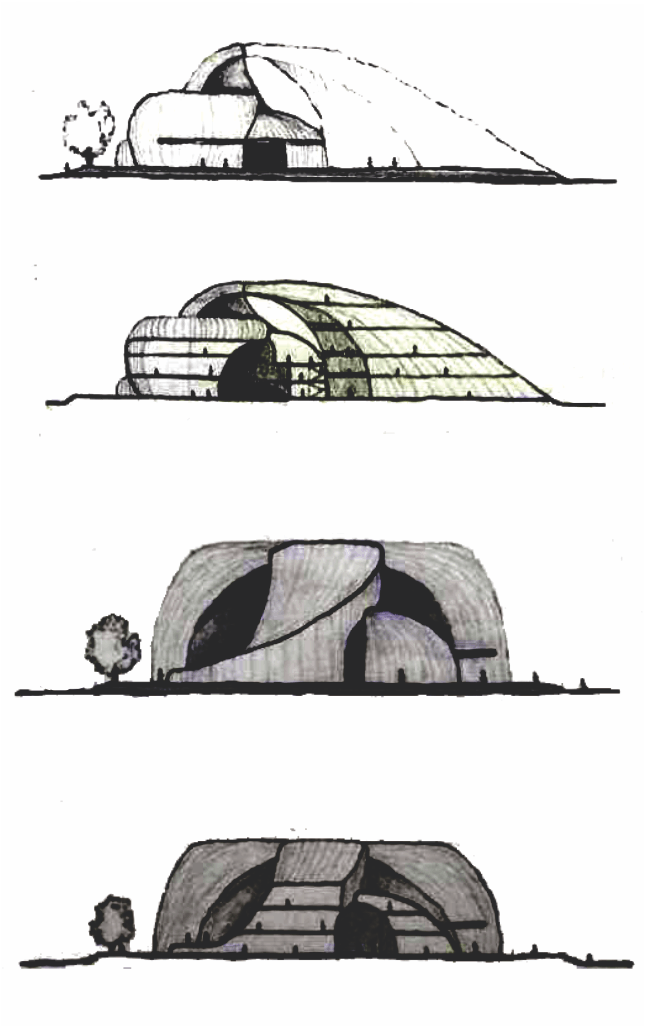
One the numeric relationships that has been in use ever since the days of antiquity is the proportion known as golden section. The golden section can be defined as the ratio between two sections of a line, or the two dimensions of a plane figure, in which the lesser of the two is to the greater as the greater is to the sum of both. A space is derived using golden section.
The diagonals of the square are used as diameter and circles are made.
Next, using the side of square as diameter ,secondary circles are made. The union of two consecutive secondary circles is eliminated, leaving the smallest union as the service core. The space derived from primary circles is used for landscaping.

 Book Cover |  CD cover |  Skyline# rain# gallery# inverted# |
|---|---|---|
 Wallpaper1 |  wallpaper2 | 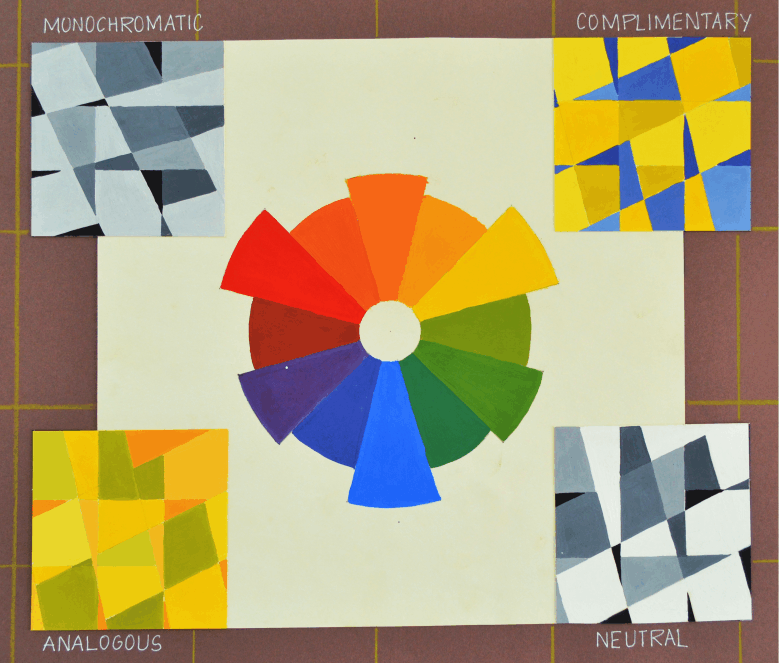 Colour Combinations |
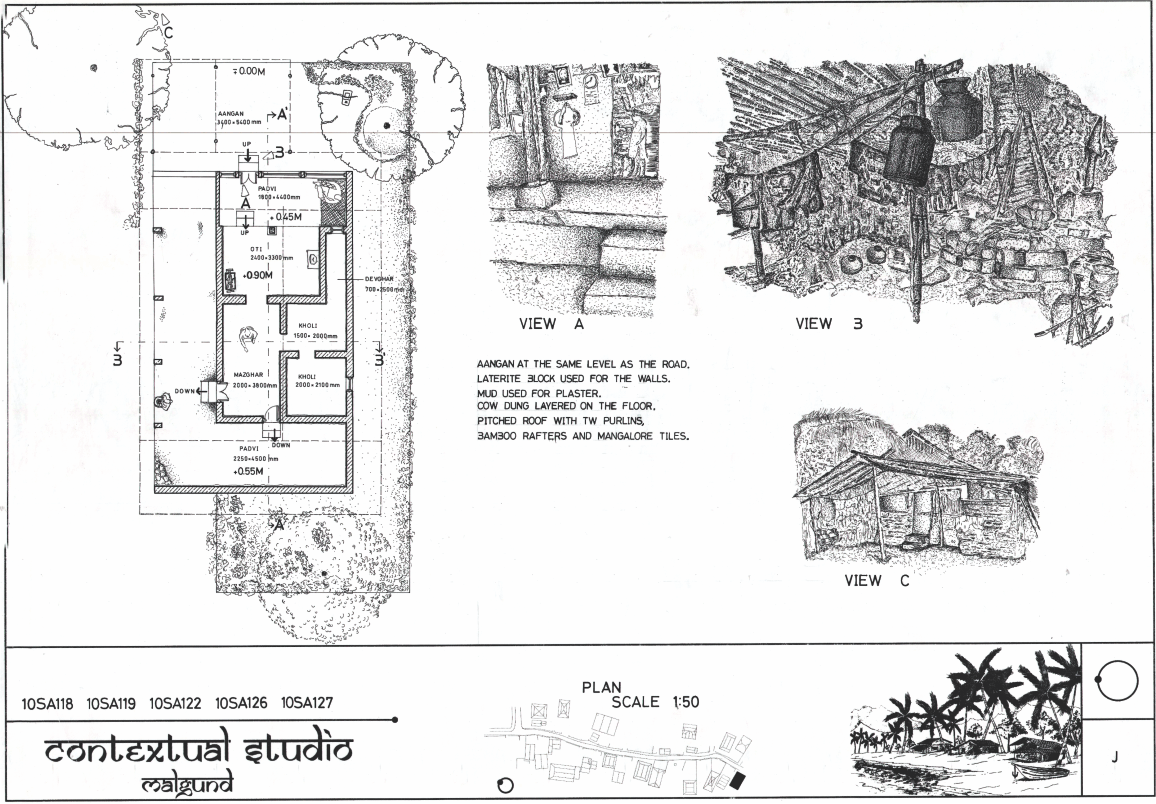 Sheet Composition1 |  TRD | 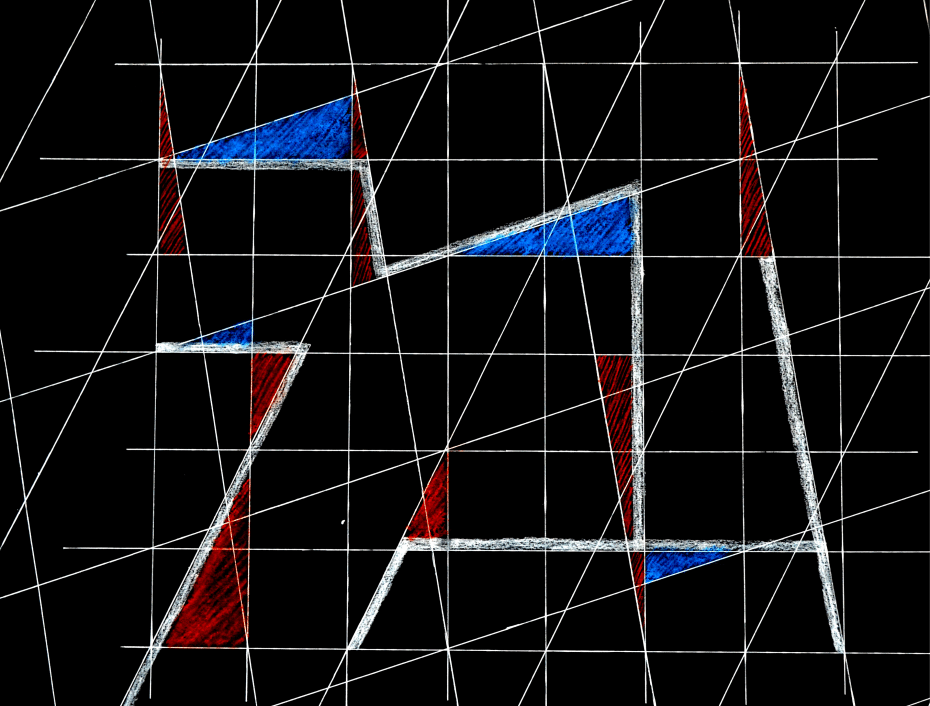 Book Cover |
 Sheet Composition2 |  sheet composition3 |  wallpaper3 |
 Texture | 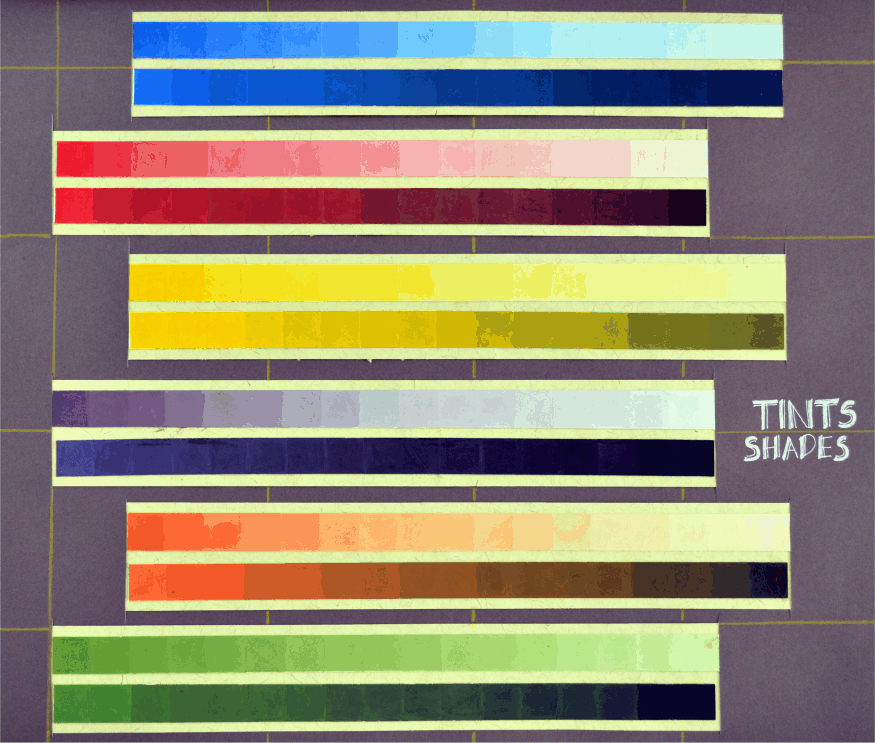 Colours |  wallpaper4 |
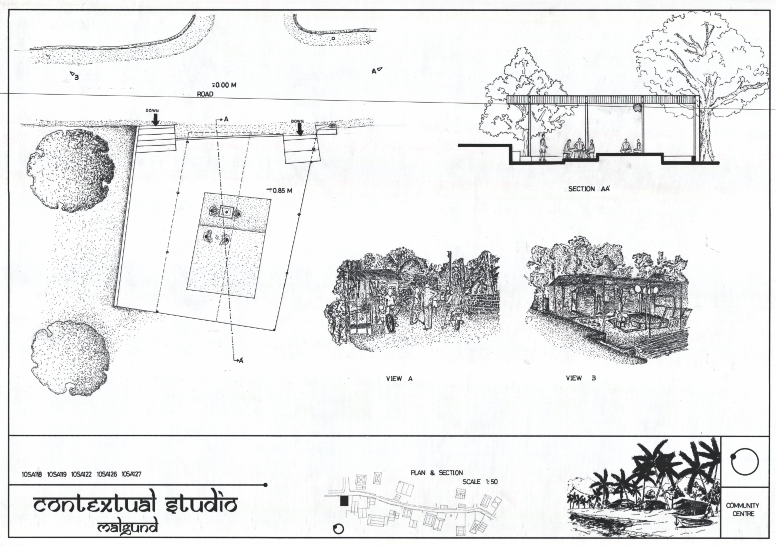
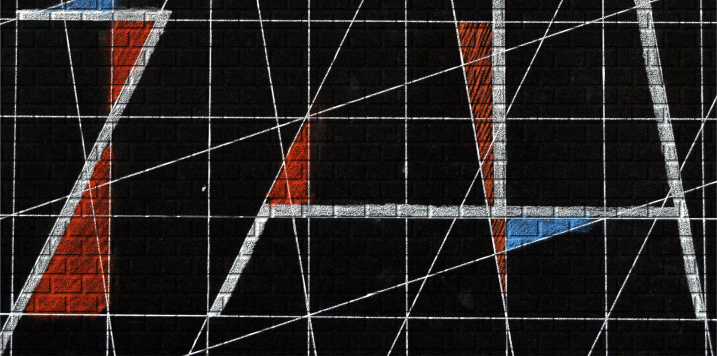
Below are some of the works as a part of graphic design.
Book covers, CD covers, wallpapers, sheet compositions,attempting for well-established understanding of colour combinations and sensitivity towards composition.

 Vidyog 2010 |  Vidyog 2010 | 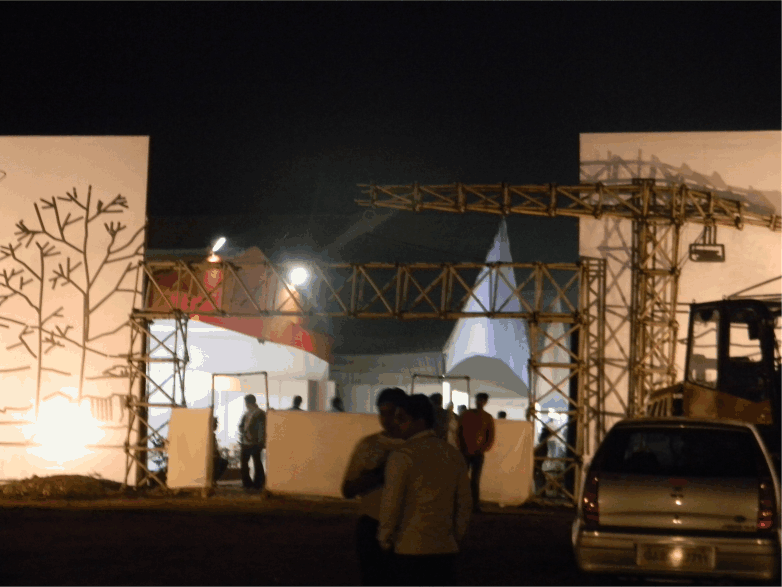 Vidyog 2010 |
|---|---|---|
 Vidyog 2010 | 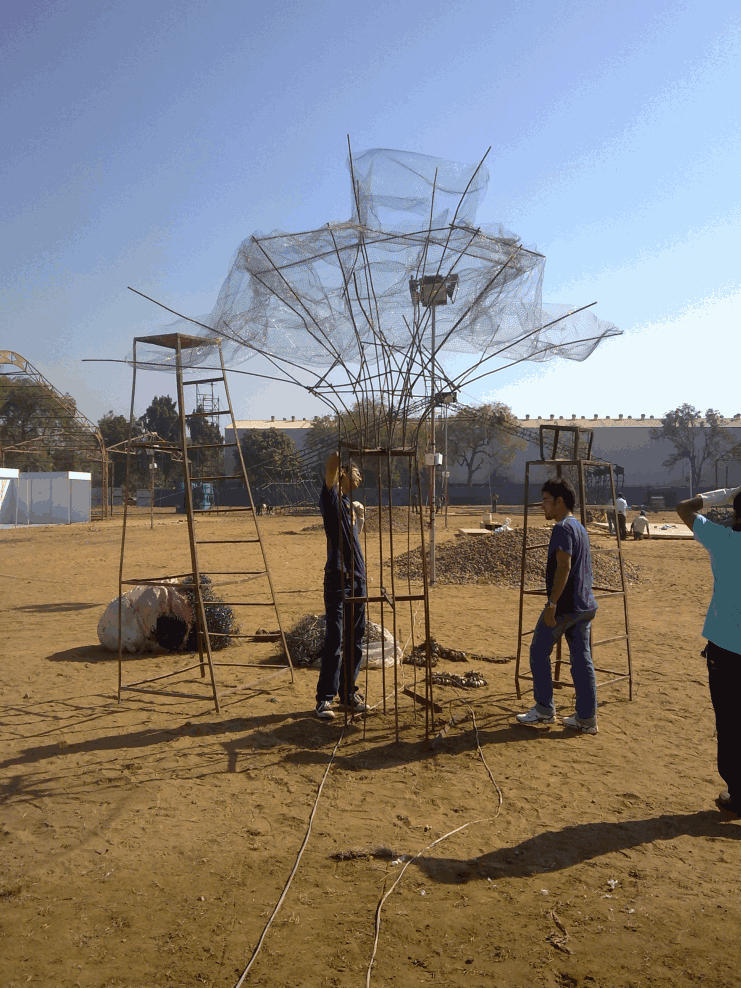 Vidyog 2010 | 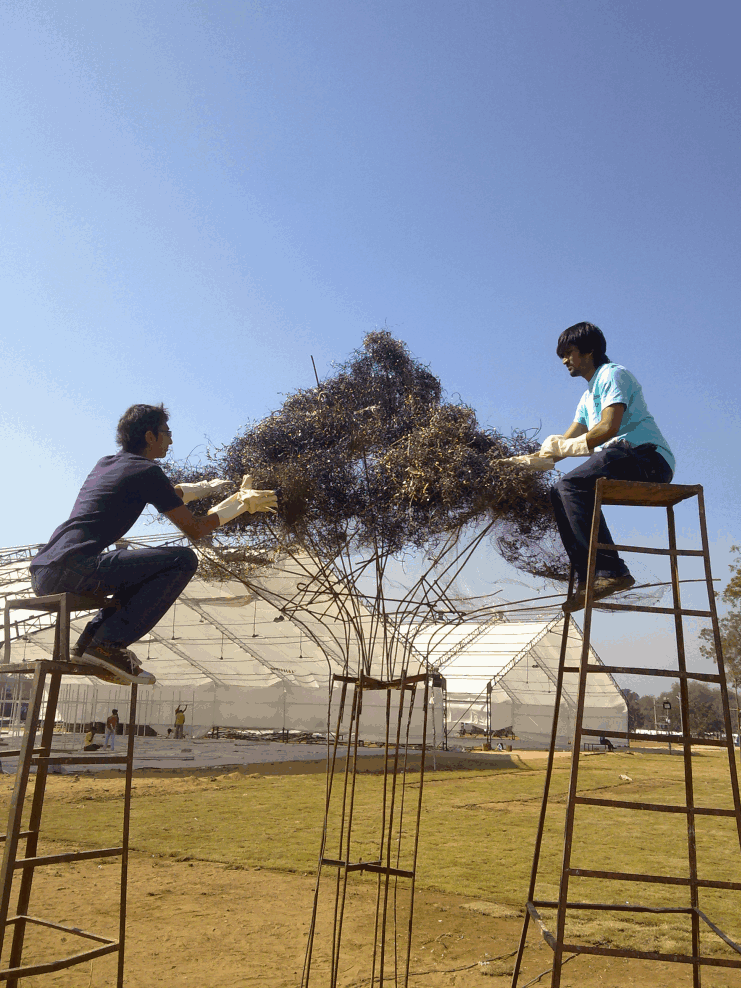 Vidyog 2010 |
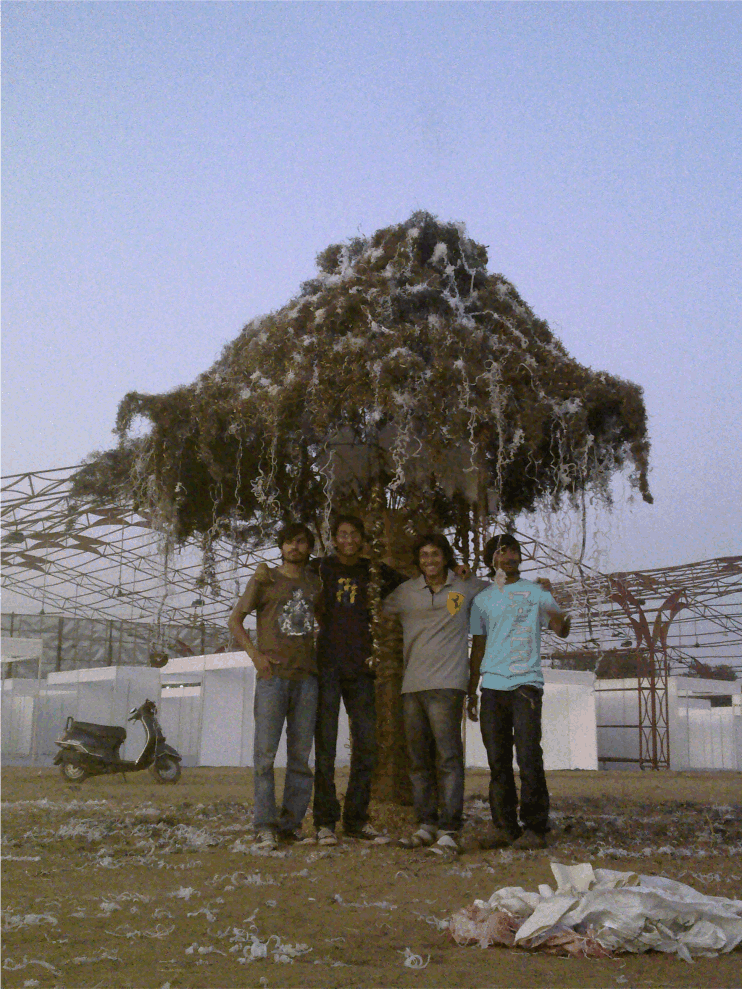 Vidyog 2010 | 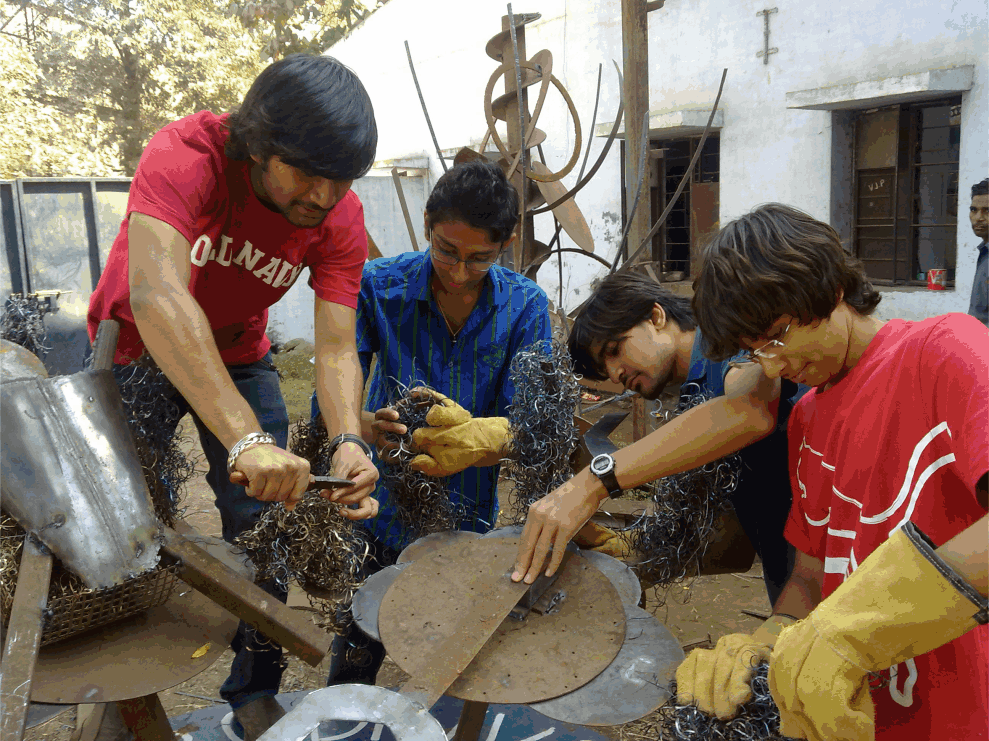 Vidyog 2010 | 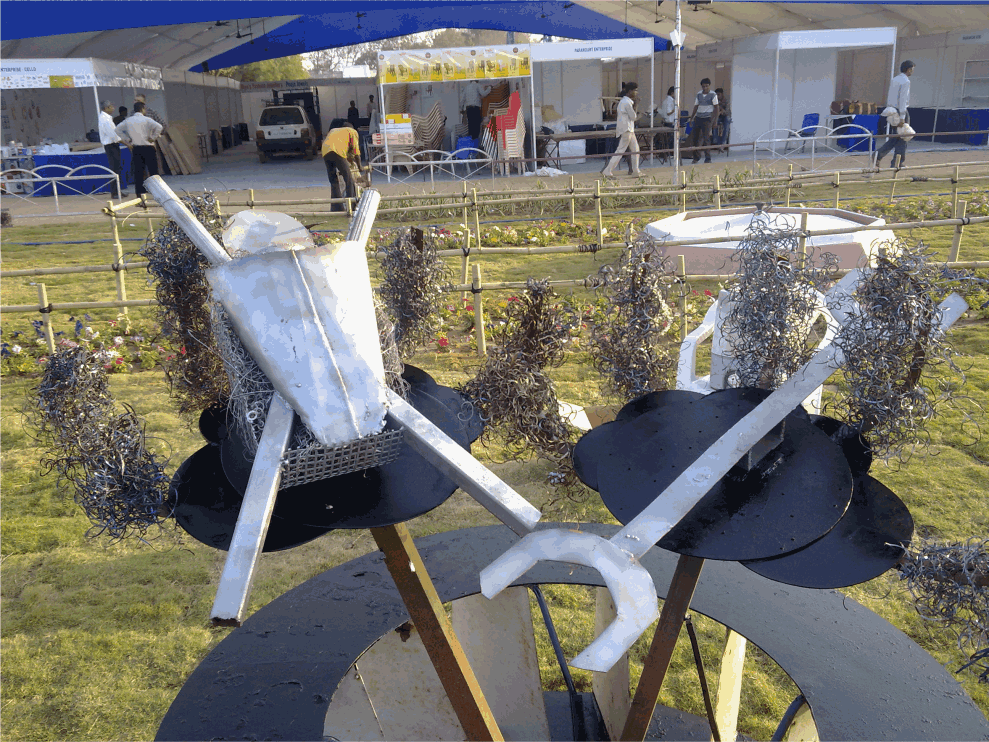 Vidyog 2010 |
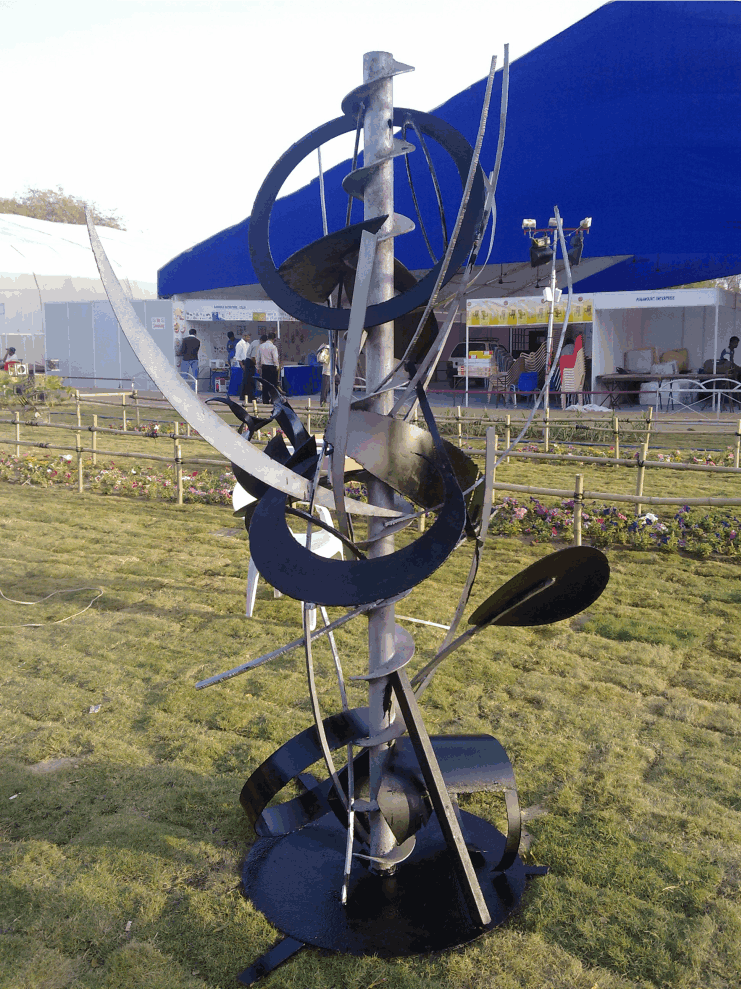 Vidyog 2010 | 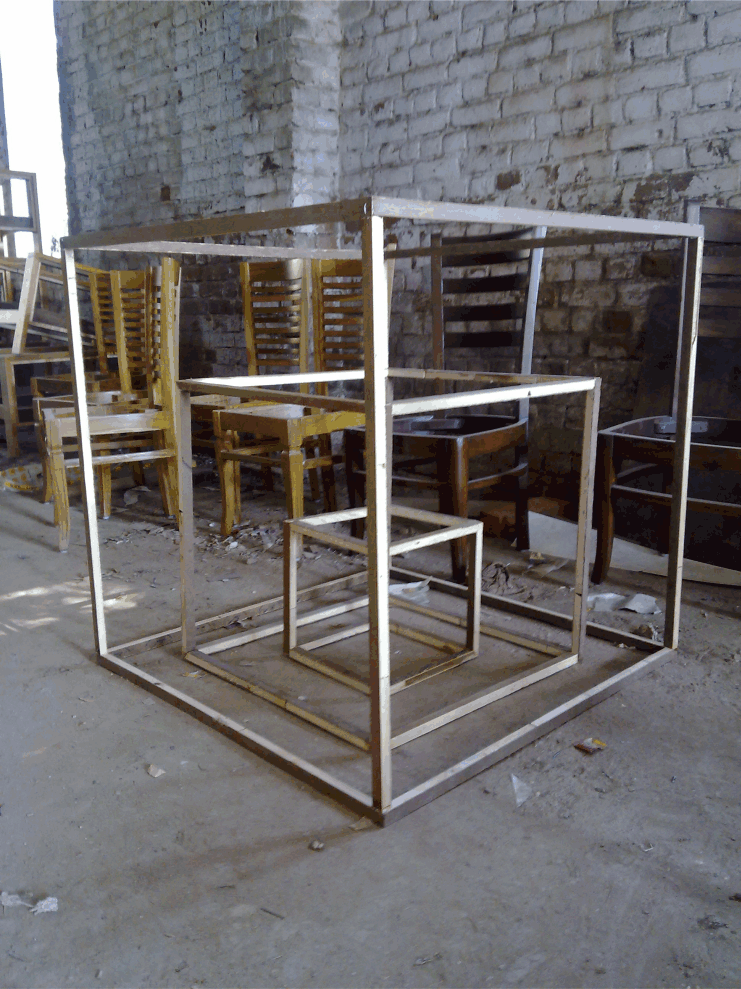 Vidyog 2010 | 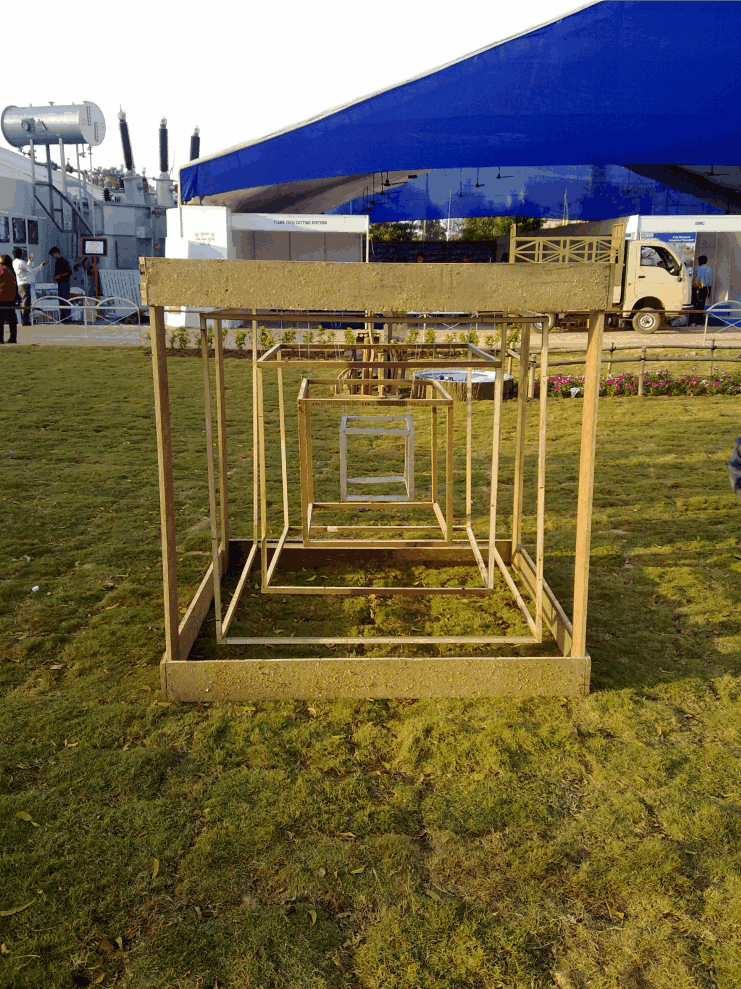 Vidyog 2010 |
 Vidyog 2010 | 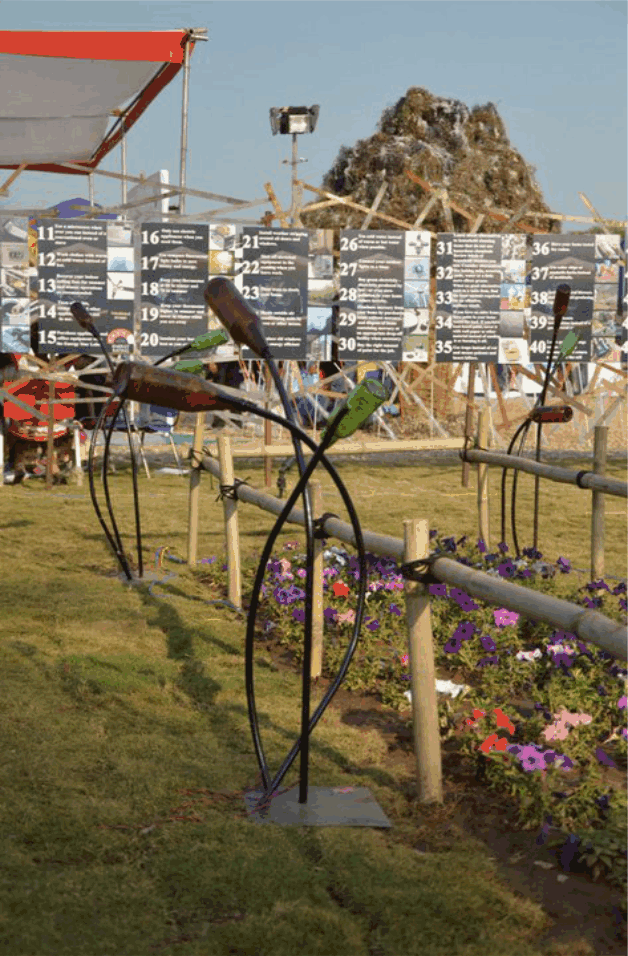 Vidyog 2010 |  Room Interior |
 Room Interior | 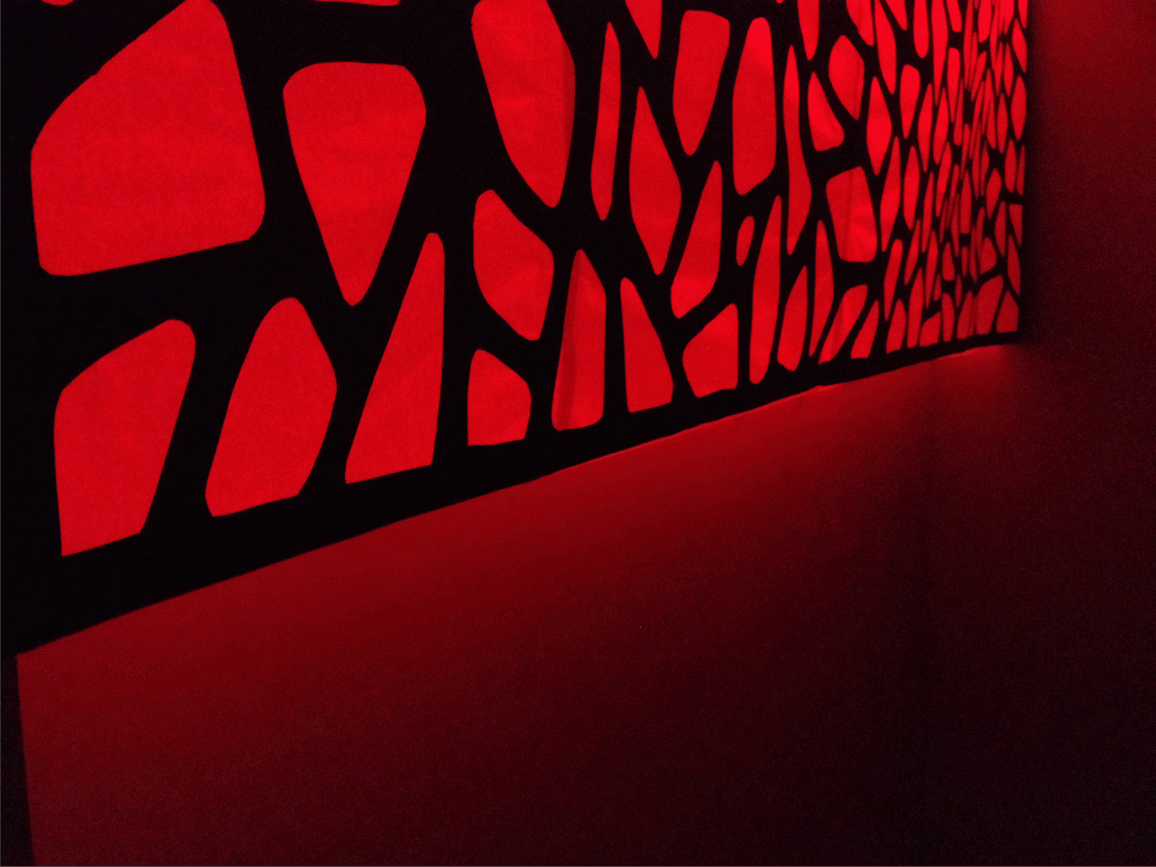 Room Interior | 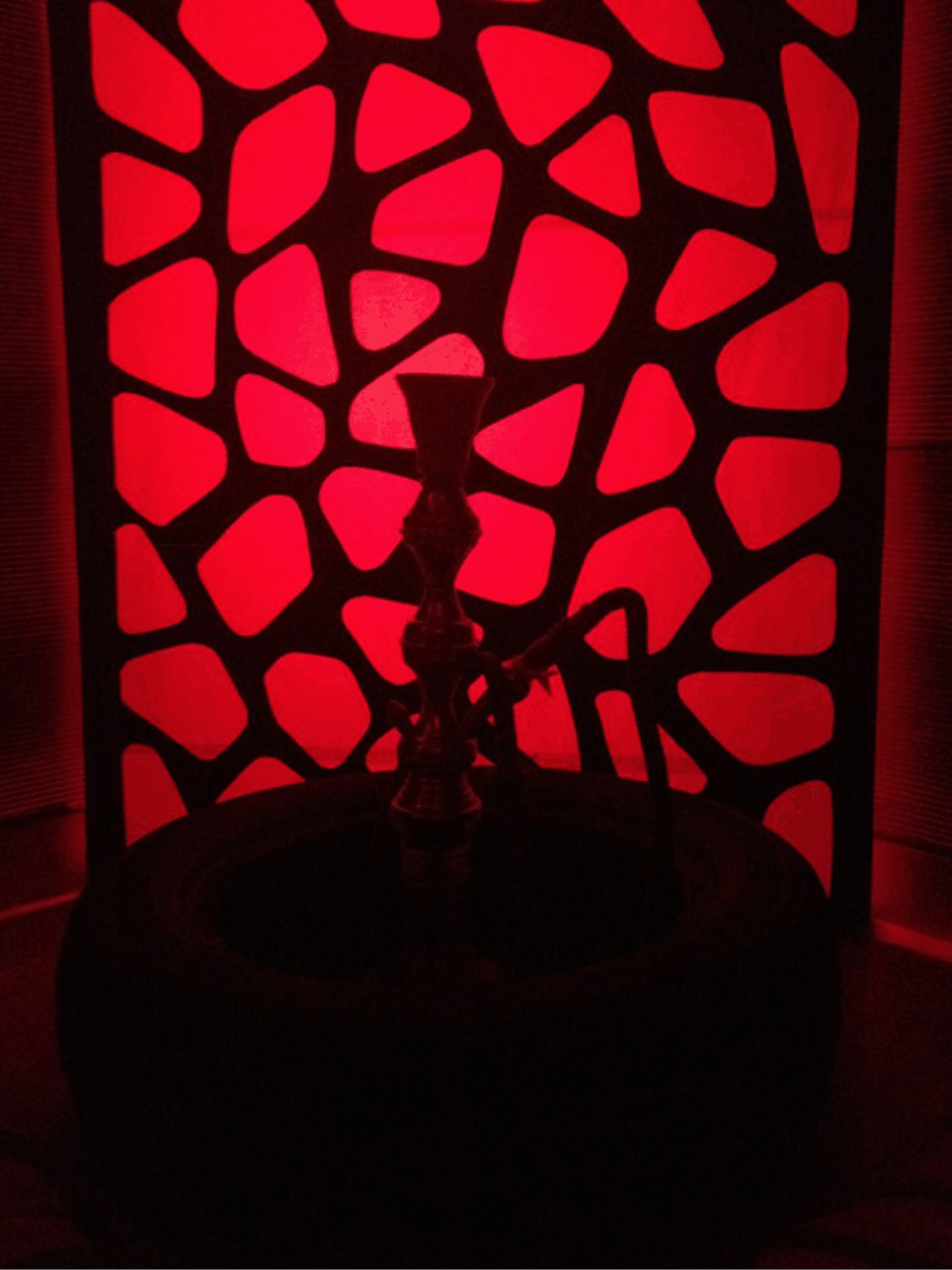 Room Interior |
 Room Interior | 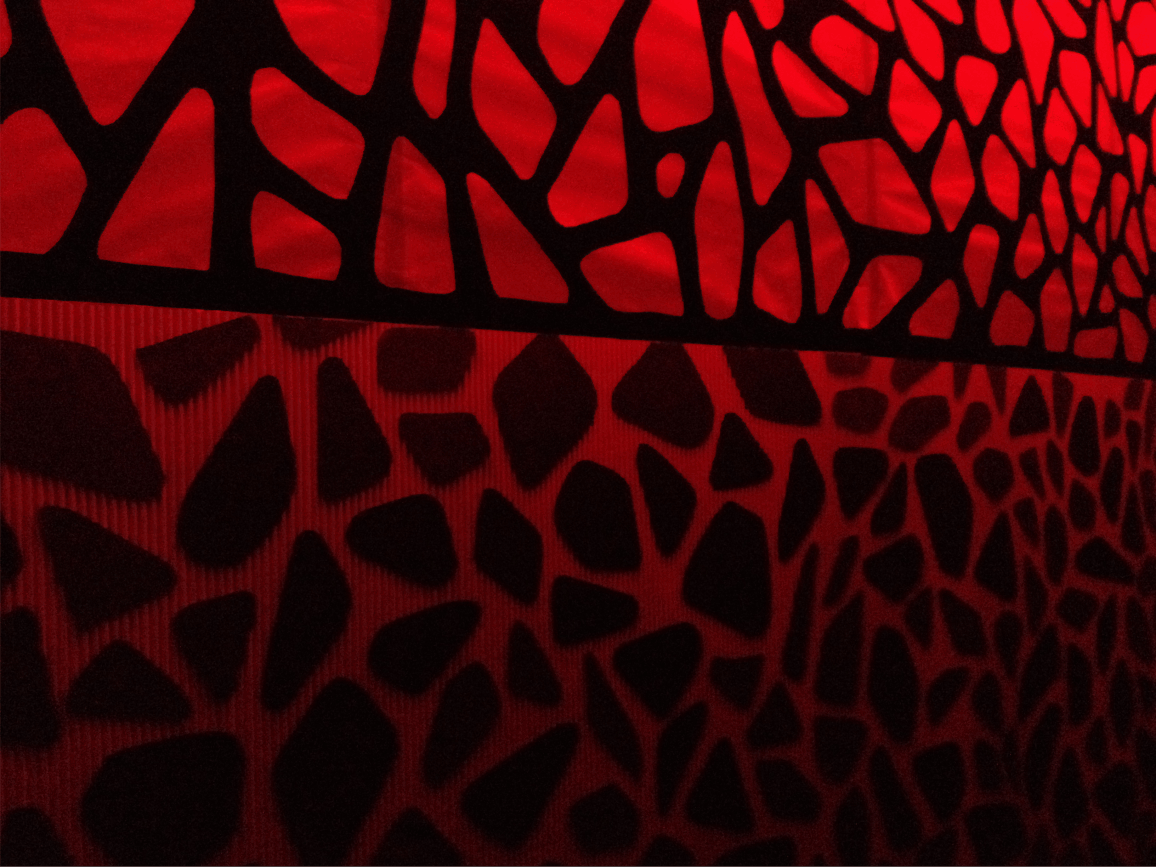 Room Interior |  Mural at a friends place |
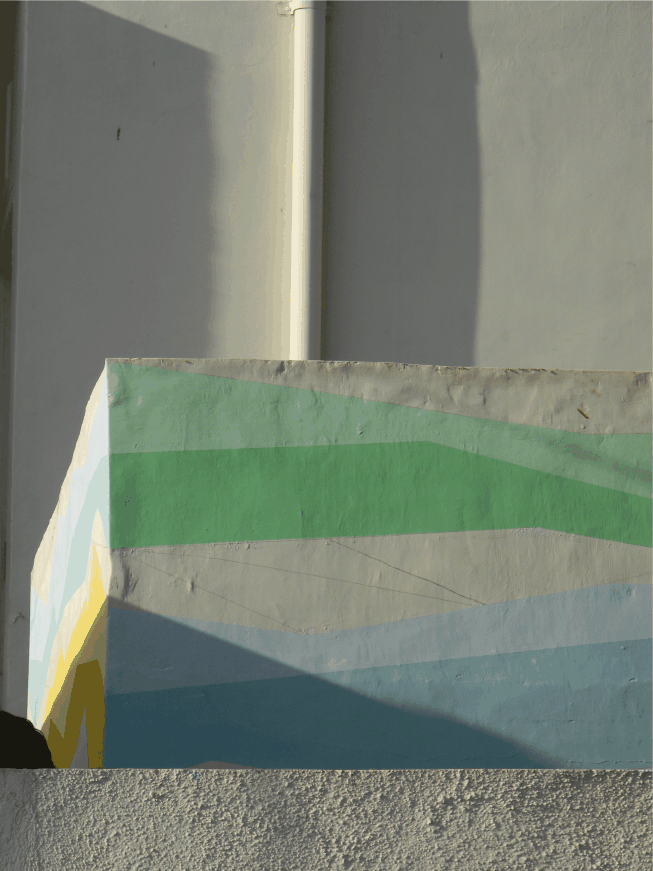 Mural at a friends place | 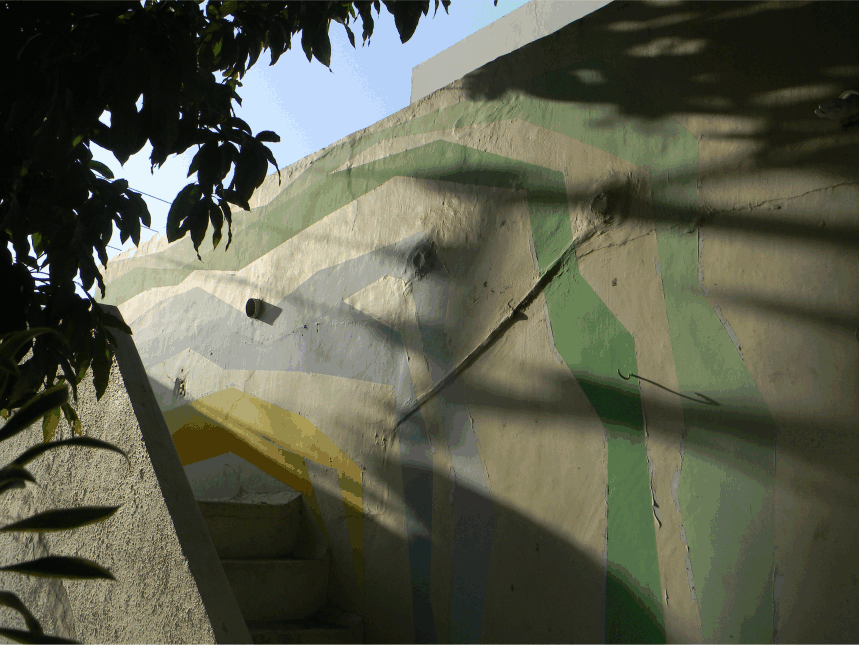 Mural at a friends place |  Mural at a friends place |
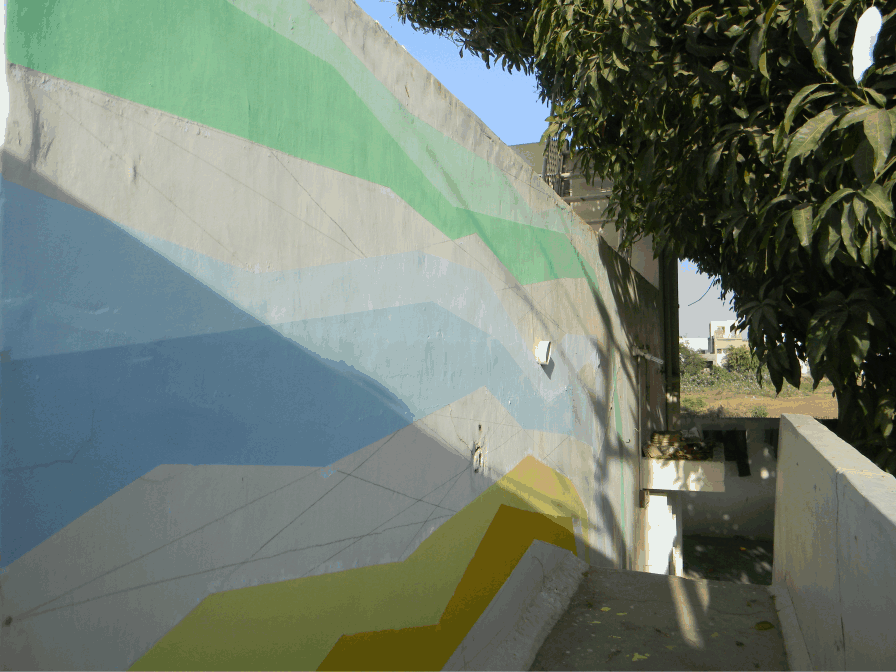 Mural at a friends place |  Mural at a friends place | 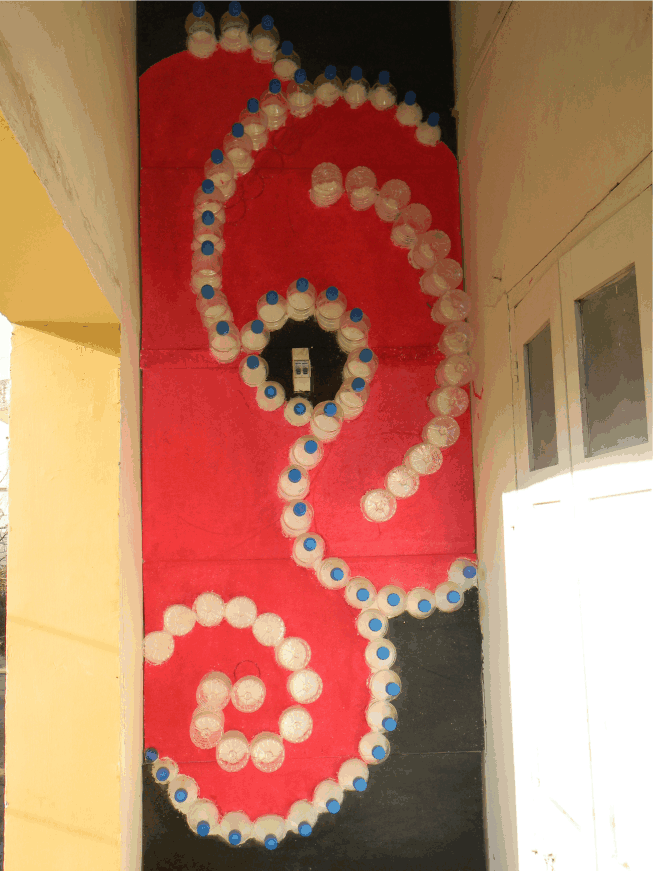 Mural at a friends place |
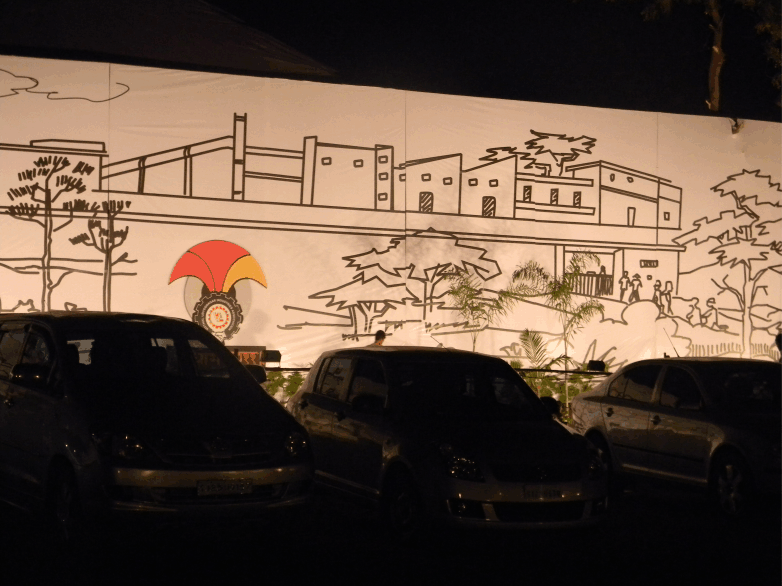
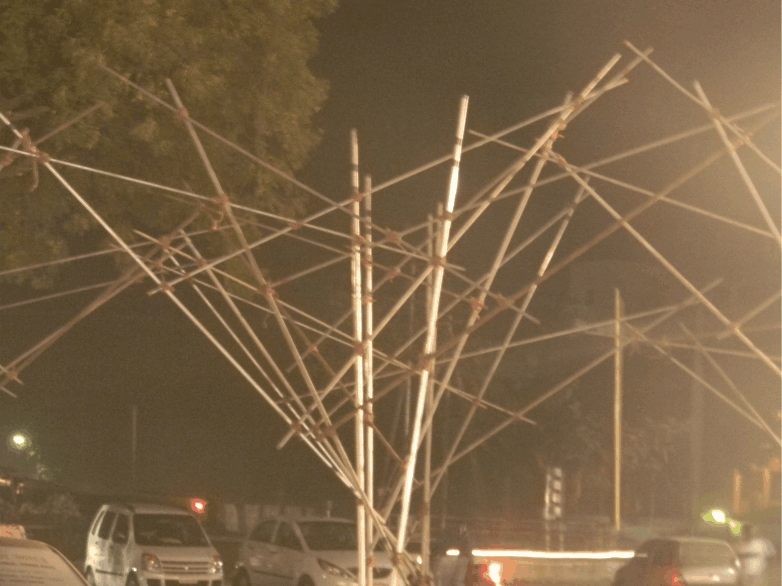
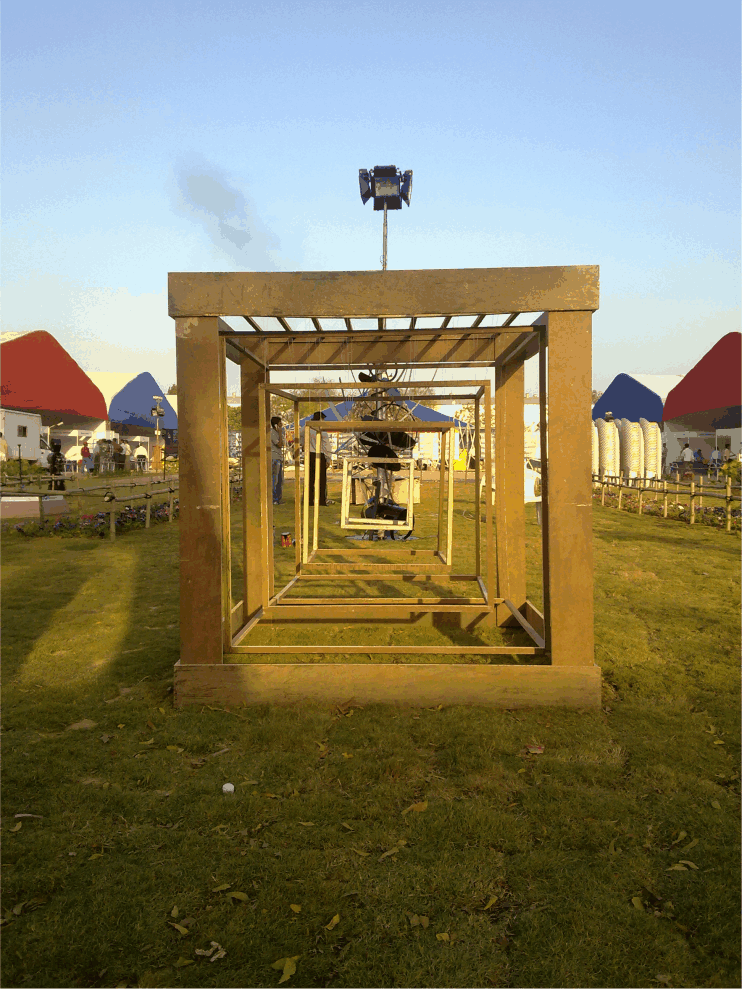
Installations at the Vidyog Industrial Expo 2010.
Having worked upon murals as under:
Mural at a friend's place.
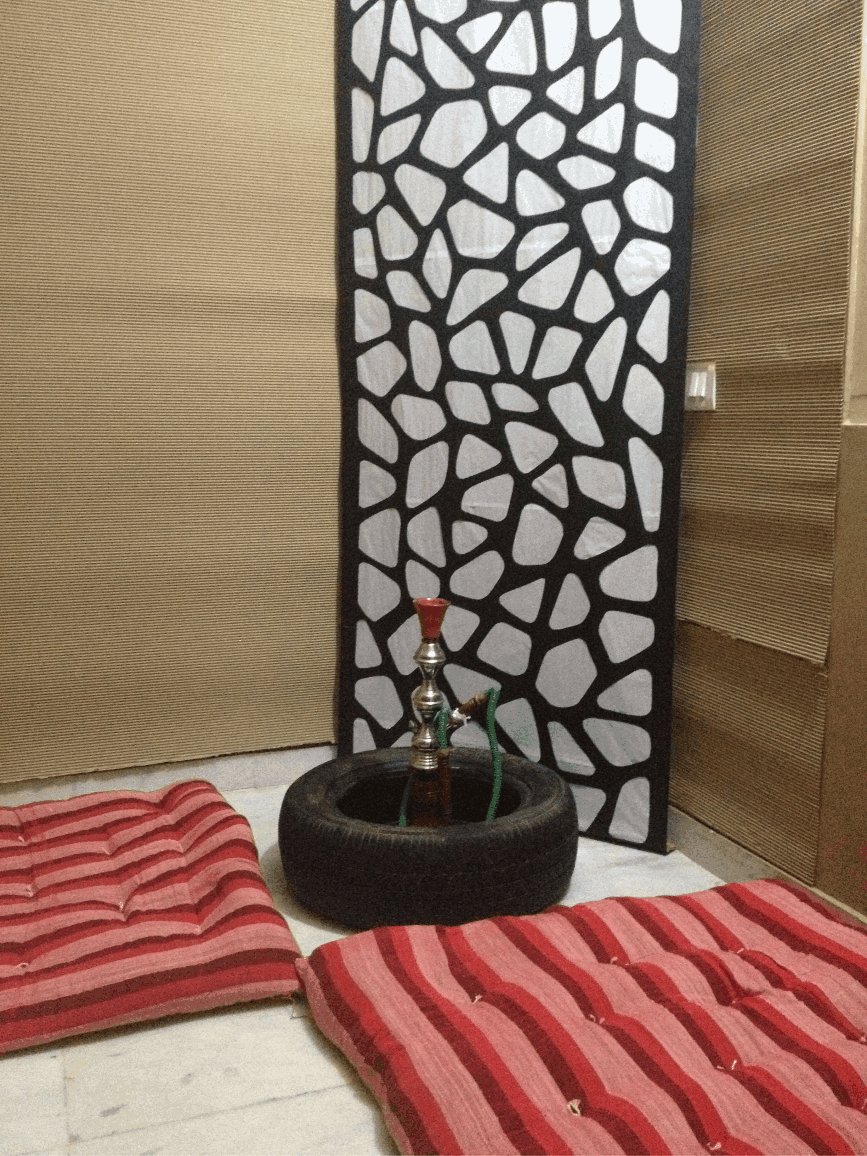
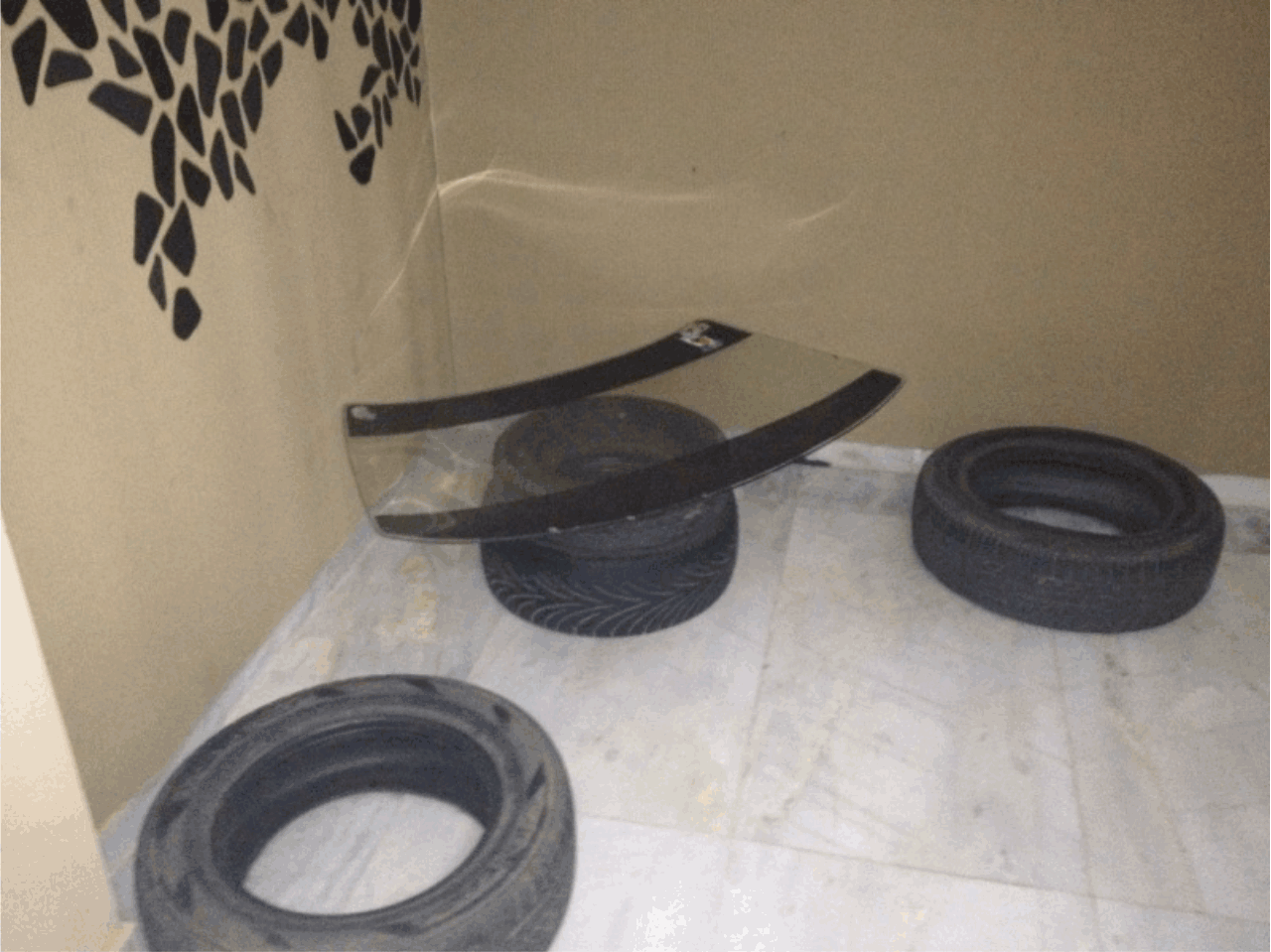
Room Interior with paper.
Murals during college Festival.

 |  |  |
|---|---|---|
 |  |  |
 |  |  |
|  |  |
 |  |  |
 |  |  |
 |  |  |

 |  |  |
|---|---|---|
 |  |  |
 |  |  |
 |  |  |
 |  |  |
 |